
The Whistleblower Speaks
July 11, 2010
By Carol Smith
InvestigateWest
Read the whole package here.
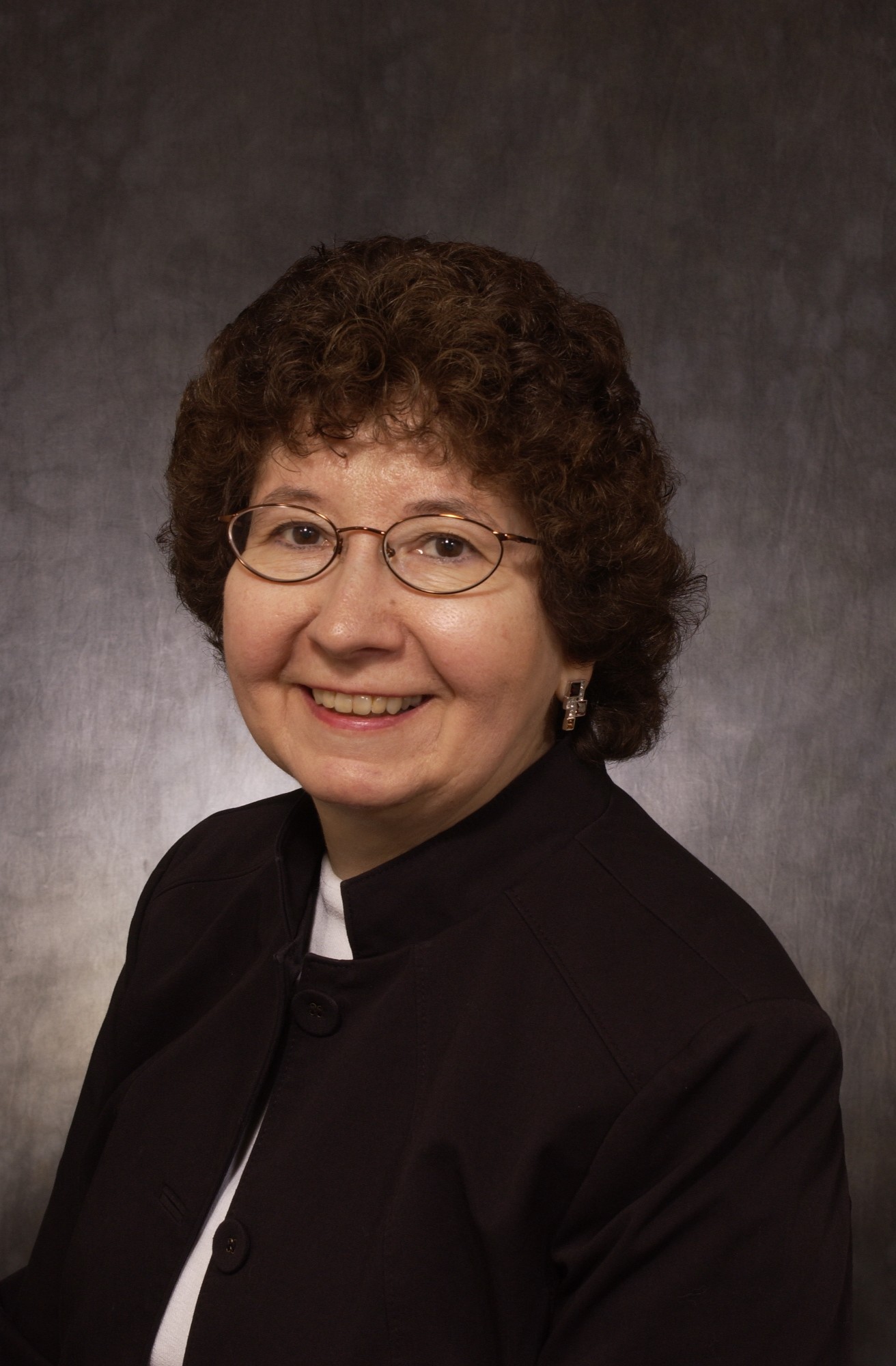
Luci Power was among the first pharmacists in the United States to pressure her employer to take warnings about chemo handling coming out of Europe in the early 1980s seriously.
The alarm was triggered by a letter from Finnish researchers published in Lancet in 1979. That study found evidence of exposure in nurses preparing and administering chemo. Their urine contained higher amounts of chemo drugs than control groups.
“That was a landmark,” said Power.
The Australians had already moved to publish some English-language guidelines. Power learned of them through a friend and colleague. But when she asked for more protective equipment for her staff at the University of California, San Francisco, no one took her seriously, she said. She ended up creating make-shift “personal protective equipment” out of welder’s masks and other scavenged pieces.
Then one day, a team from Cal-OSHA happened to be in the hospital monitoring an asbestos abatement project in a room adjacent to where Power and her staff were mixing chemo. The team used her room as a base, so they could observe the asbestos removal from a safe distance.
When they saw the pharmacy staff working behind bright red welders’ face shields, they were horrified, she said. They started asking questions.
Power told them what she knew of the potential dangers of handling chemo, and her difficulties securing equipment to protect workers from getting it on their skin or in their lungs.
The Cal-OSHA inspectors spoke to the hospital administration, she said. “After that I had all kinds of money.”
That experience launched Power on what would become a 30-year career trying to get safety regulations for all clinical environments to become standard.
Now a consultant who speaks nationally to workers about safe handling methods, she’s frustrated by how many of those who routinely handle chemo continue to seem oblivious to their risks.
“Awareness is a problem,” she said. “And we have a new generation of nurses, pharmacists, technicians, who did not go through the early 1980s (battle to develop safe handling guidelines),” she said. “They probably think the problem has been solved.”
Read more about this story.


Wealth & Poverty | February 2013
End of the Line
“It was just common knowledge – when you turn 18, you’re done,” Sharayah Lane said. “After the checks stopped coming, we all went our separate ways."
End of the Line is a new series by Claudia Rowe asking what happens when teens get too old for foster care in Washington State.
Photo Credit: Jon Connell/Flickr

Environment | January 2013
Sharecroppers of the Sea
Meet America's newest sharecroppers. Guys like Jared Bright who vie for control of the Pacific fishing industry's lower rungs, the only rungs that seem to be left. They don't own the halibut, not even when it lands in their boats.
Lee van der Voo uncovers absentee landlords, brokers and bankers, and fish quota that costs more than your house — realities that fly in the face of more official, rosy portrayals.

Health | November 2012
The Mystery of MS
Kids with multiple sclerosis, historically an adult disorder, offer researchers a set of intriguing new clues about the disease that could lead, eventually, to better treatments.
With adolescent MS on the rise in the Northwest, Carol Smith meets a young patient who is learning to live with the disease at the age of 16, and the doctors and scientists trying to keep her healthy.

Environment | October 2012
Clean Water: The Next Act
In 1972, Congress enacted legislation to end water pollution. Forty years later, American rivers and lakes are still badly contaminated, and new threats to clean water are outpacing the Act's enforcers. Follow along as InvestigateWest and EarthFix investigate.

Immigration | September 2012
Center of Detention
The Northwest Detention Center in Tacoma, Wash., generates millions in revenue for its private operator by processing thousands of deportation cases each year. Oscar Estrada is one of those cases.

Environment | June 2012
Parks for Sale
As local governments trade away public parkland, the safeguards put in place by the Land and Water Conservation Fund to protect that land are full of holes.
Robert McClure tracked a handful of park conversions for more than three years, reviewed thousands of pages of documents and compiled a database of over 40,000 park grants.

Public Health | January 2012
The Prescription Epidemic
As Washington enacts the strongest prescription drug law in the country, InvestigateWest presents a six-month investigation into the origins of the prescription epidemic, the challenge it poses for communities, and what lessons other states might learn.
Check out the full list of news outlets publishing the story, and visit KCTS.org to watch Prescription for Abuse, a KCTS 9/InvestigateWest documentary and roundtable with prescription drug experts.